
In the digital age of love, where swipes and clicks can lead to lifelong connections, there’s an undercurrent of risk lurking beneath the surface. While online dating platforms promise romance and companionship, they also present a tempting target for cybercriminals. As you craft your online persona, hackers may be crafting a plan to exploit it. In this article, we delve into the shadowy world of online dating security, exploring why your profile might attract unwanted attention and what you can do to protect your digital heartstrings from being pulled by those with malicious intent.
Understanding the Risks: How Hackers Exploit Dating Profiles
In the digital dating landscape, profiles often contain a wealth of personal information that can be a goldmine for hackers. By exploiting these profiles, cybercriminals can engage in various malicious activities. Phishing scams are a common tactic, where hackers create fake profiles or messages to trick users into revealing sensitive information. Another method involves social engineering, where they gather personal details from profiles to guess passwords or answer security questions.
- Data Harvesting: Collecting and selling user data on the dark web.
- Identity Theft: Using stolen information to impersonate individuals.
- Catfishing: Creating fake identities to manipulate or scam users.
These risks highlight the importance of being cautious about the information shared on dating platforms. Regularly updating privacy settings and being aware of unusual interactions can help safeguard against these threats.

Spotting the Signs: Red Flags That Your Profile Is at Risk
When navigating the world of online dating, staying vigilant is crucial. Hackers often exploit certain vulnerabilities, and being aware of these red flags can safeguard your profile. Here are some indicators to watch out for:
- Unusual Login Activity: If you receive alerts about logins from unfamiliar locations or devices, it’s time to review your security settings.
- Profile Changes You Didn’t Make: Unauthorized edits to your bio, photos, or preferences suggest someone else might have access.
- Messages You Didn’t Send: If your matches receive odd or spammy messages from your account, your profile could be compromised.
- Password Reset Requests: Frequent emails about password changes that you didn’t initiate should raise immediate concern.
By staying aware of these signs, you can act swiftly to protect your online dating presence from potential threats.

Protecting Your Profile: Essential Security Measures to Implement
In the world of online dating, safeguarding your profile is paramount. Hackers are becoming increasingly sophisticated, and your digital persona is a prime target. Implementing robust security measures can prevent unauthorized access and protect your personal information. Here are some essential steps you can take:
- Use Strong, Unique Passwords: Ensure that your password is a complex mix of letters, numbers, and symbols. Avoid using the same password across multiple platforms.
- Enable Two-Factor Authentication (2FA): This adds an extra layer of security, requiring not just a password but also a secondary form of verification.
- Be Cautious with Personal Information: Limit the amount of personal data you share on your profile. Details like your full name, address, or workplace can be exploited.
- Regularly Update Your Software: Keep your apps and devices updated to protect against vulnerabilities that hackers might exploit.
By implementing these strategies, you can significantly reduce the risk of your online dating profile being compromised, allowing you to focus on making meaningful connections safely.
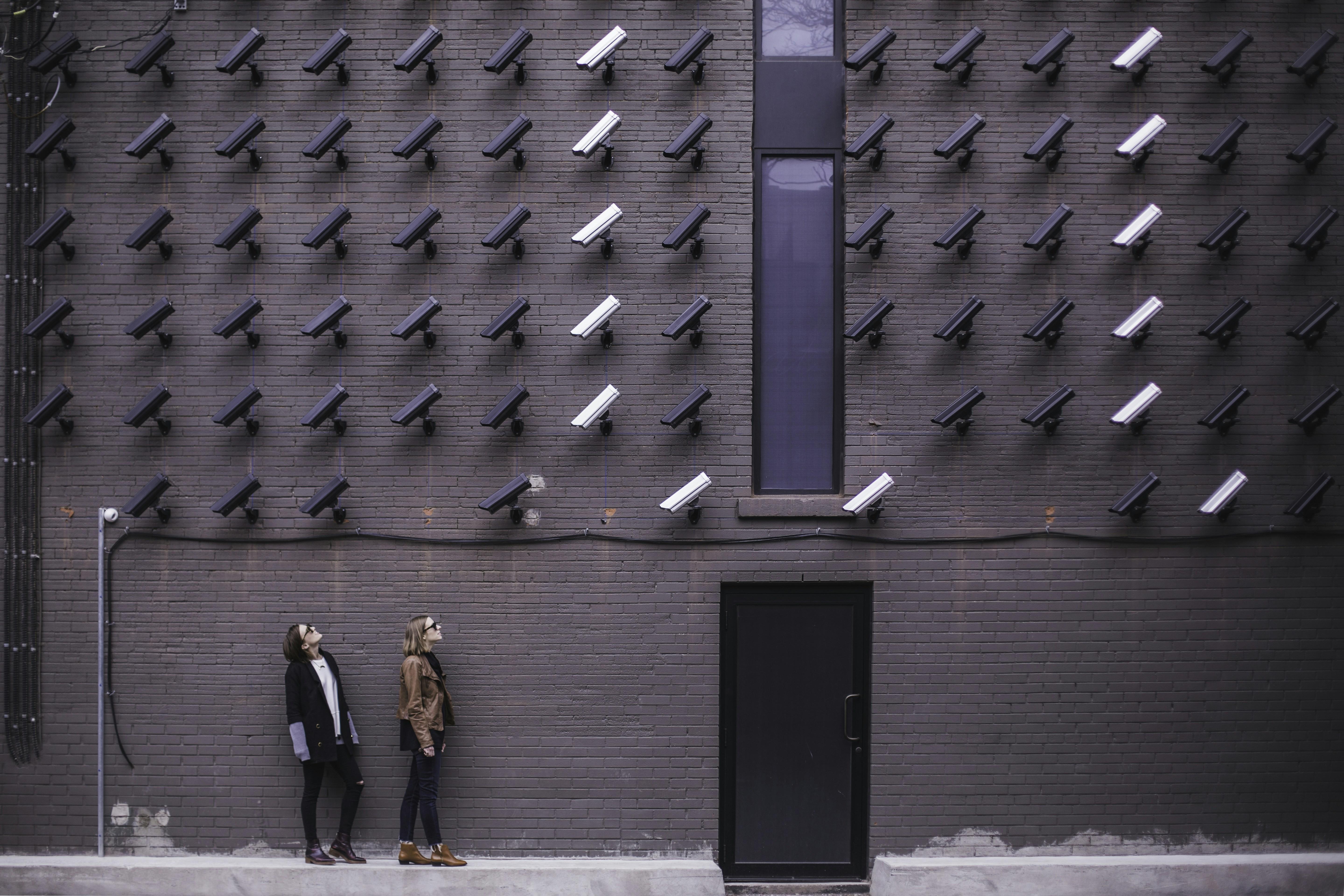
Staying Safe Online: Expert Tips for Secure Dating Experiences
Ensuring your safety while navigating online dating platforms is crucial. Cybersecurity experts emphasize the importance of taking proactive measures to protect your personal information from potential threats. Here are some essential tips to help safeguard your online dating experience:
- Use Strong, Unique Passwords: Avoid using the same password across multiple sites. Consider using a password manager to keep track of your credentials securely.
- Enable Two-Factor Authentication: This adds an extra layer of security by requiring a second form of verification, making it harder for hackers to gain access.
- Be Cautious with Personal Information: Limit the amount of personal information shared on your profile. Avoid disclosing sensitive details like your home address or financial information.
- Stay Updated: Regularly update your apps and devices to protect against vulnerabilities that hackers might exploit.
By implementing these practices, you can create a more secure environment for your online interactions, helping to keep your personal information safe from cyber threats.