
In the vast, interconnected world of online dating, where a swipe or click can lead to love, the promise of romance is just a message away. Yet, beneath the surface of charming profiles and flirtatious exchanges lurk the shadows of deception. Online dating scams have become a sophisticated art form, preying on the hopes and vulnerabilities of countless individuals. As digital Cupid’s arrows fly, it’s crucial to arm yourself with knowledge and discernment. In this exploration, we unveil the top red flags of online dating scams, equipping you with the insights needed to navigate this virtual landscape safely and wisely. Whether you’re a seasoned swiper or new to the digital dating scene, understanding these warning signs is essential to protect your heart—and your wallet.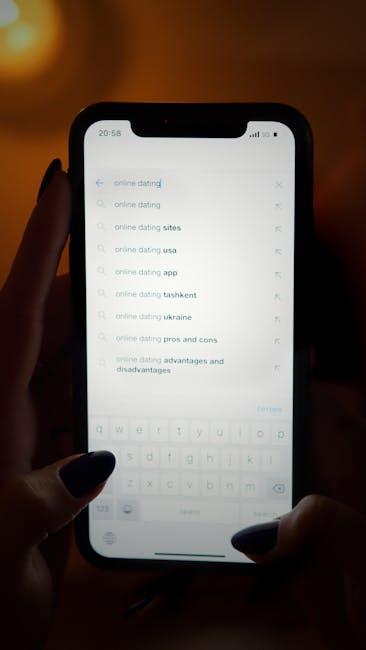
Spotting the Signs: Common Tactics Used by Scammers
- Love Bombing: Scammers often shower their targets with excessive affection and attention right from the start. They might quickly declare love or a deep connection, trying to create an emotional bond before you have a chance to spot inconsistencies.
- Urgency and Pressure: A common tactic is creating a sense of urgency. They might fabricate emergencies or crises, urging you to act quickly, usually involving sending money or personal information.
- Mismatched Stories: Pay attention to inconsistencies in their stories. Scammers often slip up when they forget details or provide vague answers about their personal life or background.
- Avoiding Personal Meetings: They may come up with numerous excuses to avoid face-to-face meetings or video calls. This is often a red flag indicating they are hiding their true identity.
- Requests for Money: One of the most glaring signs is a sudden request for financial help. Whether it’s for a supposed medical emergency or travel expenses, legitimate relationships rarely involve such demands, especially early on.
By staying alert to these red flags, you can protect yourself from becoming a victim of online dating scams. Trust your instincts and proceed with caution whenever something feels off.
Understanding Emotional Manipulation: Protecting Your Heart and Mind
Emotional manipulation in online dating can be subtle, making it essential to stay vigilant and protect yourself. Scammers often prey on vulnerabilities, using charm and deceit to create a false sense of connection. Here are some key tactics to watch out for:
- Love Bombing: This involves overwhelming you with excessive affection and attention to build trust quickly. Be wary if someone seems too good to be true.
- Gaslighting: Manipulators may distort reality, causing you to doubt your perceptions. Trust your instincts if something feels off.
- Guilt Trips: Scammers might exploit your empathy, using sob stories to elicit sympathy and financial help. Maintain healthy boundaries and question their motives.
By recognizing these red flags, you empower yourself to make informed decisions, safeguarding both your heart and mind from potential harm. Stay alert and prioritize your emotional well-being in the digital dating world.

Financial Traps: How to Safeguard Your Money
Online dating platforms can be a wonderful way to meet new people, but they also come with potential pitfalls that can endanger your finances. Scammers often use these platforms to exploit vulnerabilities, so it’s crucial to be vigilant. Here are some red flags to watch out for:
- Too Good to Be True: If someone seems excessively charming or their story feels like a fairy tale, it might be a ploy to gain your trust.
- Requests for Money: Be wary of any request for financial help, especially if it comes early in the relationship. Scammers often fabricate emergencies to evoke sympathy.
- Reluctance to Meet in Person: A genuine connection will likely lead to a desire to meet face-to-face. If they continually avoid meeting, proceed with caution.
- Inconsistencies in Stories: Pay attention to details. If their story changes or doesn’t add up, it could be a sign of deceit.
- Pressuring for Personal Information: Protect your personal data. Scammers may try to extract sensitive information under the guise of deepening the relationship.
By staying alert to these warning signs, you can enjoy online dating safely while safeguarding your financial well-being.

Effective Communication: Verifying Identities and Building Trust
In the realm of online dating, ensuring the authenticity of your connections is crucial. Effective communication is not just about exchanging pleasantries; it’s about establishing trust and verifying identities. Here are some strategies to help you navigate these digital waters:
- Video Calls: Encourage moving from text to video chats. This step can confirm the person’s identity and build a more genuine connection.
- Consistent Details: Pay attention to the consistency of their stories and details. Frequent changes or evasiveness can be a warning sign.
- Social Media Presence: A legitimate profile often has a matching social media presence. Check for discrepancies or the absence of profiles, which might indicate a red flag.
Building trust involves both intuition and tangible evidence. Always trust your instincts and take time to verify before becoming emotionally invested. By focusing on these communication strategies, you create a safer and more authentic online dating experience.