
In the vast expanse of the digital realm, where our lives are intertwined with the invisible threads of data and pixels, safeguarding our online identity has become a modern necessity. As we navigate through social media, online banking, and virtual interactions, the question arises: how do we protect the essence of who we are in this interconnected world? This article delves into the essentials of online identity protection, offering insights and practical steps to ensure your digital presence remains secure amidst the ever-evolving landscape of the internet. Join us as we explore the strategies and knowledge needed to shield your virtual self from the lurking shadows of cyber threats.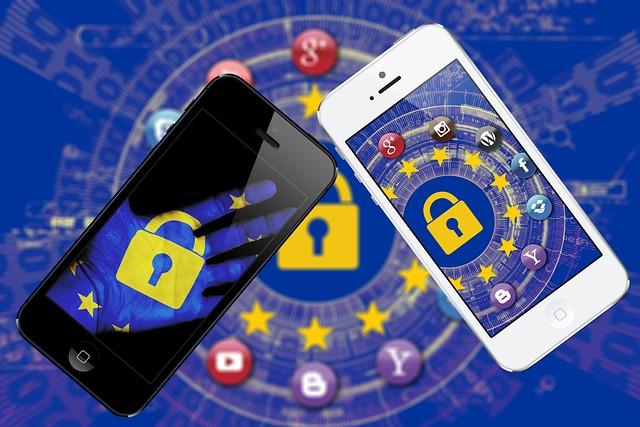
Guarding Personal Information in the Digital Age
In today’s interconnected world, safeguarding your personal information is more crucial than ever. With data breaches and cyber threats on the rise, it’s important to be proactive about your online security. Here are some essential tips to help you protect your digital identity:
- Use Strong Passwords: Combine uppercase and lowercase letters, numbers, and symbols to create complex passwords. Avoid using easily guessable information like birthdays or common words.
- Enable Two-Factor Authentication: Adding an extra layer of security can prevent unauthorized access to your accounts, even if your password is compromised.
- Be Wary of Phishing Scams: Always verify the authenticity of emails and messages before clicking on links or providing personal information.
- Regularly Update Software: Keeping your operating system and applications up to date ensures you have the latest security patches to protect against vulnerabilities.
By implementing these strategies, you can significantly reduce the risk of your personal information falling into the wrong hands. Remember, vigilance is key in the digital age.
Recognizing and Responding to Online Threats
In the digital age, being vigilant about your online safety is crucial. Identifying potential threats can be challenging, but with the right approach, you can safeguard your online identity. Look out for phishing emails that often appear legitimate but aim to steal your personal information. These emails might mimic well-known companies or even individuals you know.
- Suspicious Links: Hover over links to see their true destination before clicking.
- Urgent Requests: Be wary of messages that create a sense of urgency, pushing you to act quickly.
- Unexpected Attachments: Avoid downloading attachments from unknown sources.
Responding to threats promptly is key. If you suspect a breach, immediately change your passwords and enable two-factor authentication. Consider using a password manager to create and store complex passwords securely. Stay informed about the latest cybersecurity trends and ensure your software is up-to-date to protect against vulnerabilities.
Crafting Strong Passwords and Utilizing Two-Factor Authentication
In today’s digital landscape, ensuring the security of your online accounts is paramount. One of the foundational steps in safeguarding your online identity is by crafting strong, unique passwords. A robust password should be a complex mix of uppercase and lowercase letters, numbers, and special characters. Avoid common phrases or easily guessed information like birthdays. A good strategy is to use a passphrase—a series of random words strung together, such as ”BlueSky!17HorseBattery,” which can be both memorable and secure.
In addition to strong passwords, employing Two-Factor Authentication (2FA) adds an extra layer of security. With 2FA, you not only need your password but also a second form of verification, often a code sent to your phone or email. This ensures that even if your password is compromised, unauthorized access is significantly more difficult. Consider these tips:
- Enable 2FA on all accounts that offer it.
- Use authentication apps like Google Authenticator for added security.
- Regularly update your passwords and 2FA methods.
By combining strong passwords with 2FA, you fortify your defenses against potential threats, making it much harder for intruders to breach your digital boundaries.
The Role of Privacy Settings and Encryption Tools
In an era where personal data is as valuable as currency, utilizing privacy settings and encryption tools is paramount to safeguarding your online identity. These digital shields work in tandem to create a secure environment for your online interactions. Privacy settings, often found in social media platforms and online services, allow you to control who sees your information. By adjusting these settings, you can limit exposure to only those you trust, effectively minimizing the risk of data breaches or unwanted surveillance.
- Encryption Tools: Transform your data into a secure code before it’s sent over the internet, ensuring that even if intercepted, it remains unreadable.
- End-to-End Encryption: Protects your messages and calls so only you and the person you’re communicating with can read or listen to them.
- VPNs (Virtual Private Networks): Mask your IP address, encrypt your internet traffic, and keep your browsing activity private.
By integrating these measures into your daily digital routine, you not only enhance your security but also take a proactive stance in managing your digital footprint. Remember, the strength of your online privacy is directly linked to how effectively you utilize these tools.