

In a world that often equates saying “yes” with opportunity and success, the simple act of saying “no” can feel daunting, yet profoundly liberating. “” explores this transformative skill, uncovering how it can lead to a more authentic and balanced life. As we navigate the complexities of personal and professional relationships, learning to assert our emotional needs is not just beneficial—it’s essential. Join us as we delve into the art of setting boundaries, understanding self-worth, and embracing the freedom that comes with the power of “no.” Emotional Boundaries and Their Importance”>
Understanding Emotional Boundaries and Their Importance
In the intricate dance of relationships, emotional boundaries serve as the invisible lines that protect our mental well-being. These boundaries are essential in maintaining a healthy sense of self and fostering respectful interactions. By clearly defining what we are comfortable with emotionally, we empower ourselves to engage with others without losing our personal identity.
Establishing emotional boundaries involves a deep understanding of one’s feelings and limits. Here are a few key points to consider:
- Self-awareness: Reflect on your emotions to identify what feels right and what feels intrusive.
- Communication: Clearly express your needs and limits to others, ensuring mutual respect.
- Consistency: Uphold your boundaries consistently to reinforce their importance.
By recognizing and respecting these boundaries, you not only protect your emotional health but also enhance your ability to connect authentically with others.

Techniques for Articulating Your Needs with Confidence
Expressing your needs with clarity and confidence can transform your relationships and personal well-being. To achieve this, consider employing a few effective strategies:
- Use “I” Statements: Begin your sentences with “I feel” or “I need” to focus on your emotions and requirements rather than placing blame or making accusations.
- Be Specific: Clearly outline what you need, providing concrete examples if possible. This reduces ambiguity and helps others understand your perspective.
- Practice Active Listening: Pay attention to the responses you receive and show empathy. This encourages a two-way dialogue and fosters mutual respect.
- Maintain a Calm Tone: Approach conversations with a composed demeanor, even when discussing sensitive topics. This can help in reducing defensiveness and promoting open communication.
By integrating these techniques into your interactions, you not only honor your own emotional needs but also create a space where others feel comfortable doing the same.
Overcoming Guilt and Fear in the Process of Saying No
Many of us struggle with the emotional weight that accompanies the act of saying no. Guilt and fear often serve as barriers, making us feel obligated to say yes even when it compromises our own well-being. However, understanding and overcoming these emotions can transform the way we approach our personal boundaries.
- Recognize Your Emotions: Acknowledge the guilt and fear you feel when saying no. Understand that these feelings are natural and often stem from a desire to maintain harmony and avoid conflict.
- Reframe Your Perspective: View saying no as an act of self-care rather than selfishness. Remember that protecting your emotional needs allows you to be more present and authentic in your relationships.
- Practice Assertiveness: Use clear and respectful language. It’s okay to say, “I appreciate the offer, but I need to prioritize my current commitments.”
- Set Boundaries Gradually: Start small. As you become more comfortable, your confidence in setting boundaries will grow, reducing the associated guilt and fear.
By addressing these emotional hurdles, you empower yourself to make decisions that honor your needs, ultimately leading to more balanced and fulfilling interactions.
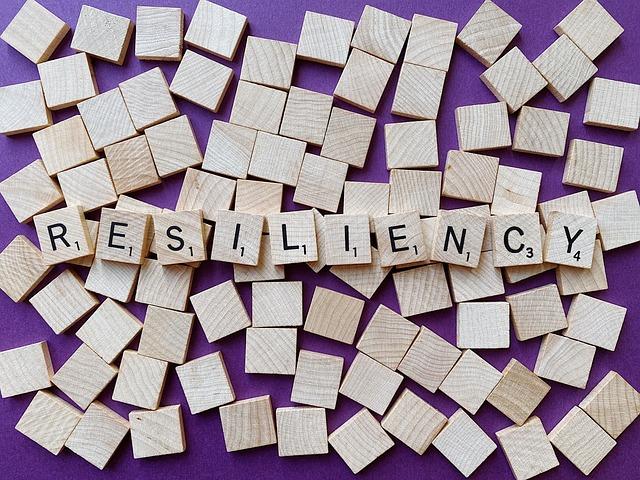
Building Resilience Through Self-Advocacy
Embracing the art of self-advocacy can be transformative, especially when it comes to expressing your emotional needs. It begins with the powerful act of saying “no”—a simple word that carries significant weight in safeguarding your mental health. By clearly defining your boundaries, you create a space where your emotions are respected and valued. This not only fortifies your resilience but also enhances your relationships, as those around you learn to appreciate your authentic self.
- Understand Your Limits: Recognize what you can handle emotionally and what you cannot.
- Communicate Clearly: Use direct and honest language to convey your needs.
- Practice Self-Compassion: Allow yourself the grace to prioritize your well-being.
- Set Boundaries: Establish clear limits to protect your emotional space.
By asserting your emotional needs, you empower yourself to lead a life aligned with your values and aspirations. This practice not only nurtures your inner strength but also encourages a culture of mutual respect and understanding.